A calmer choice
Toys to reduce stress: choose by the moment, not the promise
A squeeze toy can give busy hands a small, repeatable action. It cannot solve the source of ongoing stress, but the right object may make a short moment easier to manage. Here is a simple way to choose one without turning a toy into a medical promise.
- Quiet reset
- A small squeeze or slow craft step
- Useful test
- 5 minutes in the real setting
- Keep expectations
- Supportive tool, not treatment
What a stress-relief toy can realistically offer
Some people like a repeated hand movement during a tense phone call, a study block, a commute, or a screen break. A squeeze, roll, stretch, or quiet click can give attention a small physical anchor. Other people find those same sensations distracting. The helpful choice is personal and can change with the setting.
The phrase toys to reduce stress should be read carefully. A toy may support a brief calming routine, but it is not a treatment for anxiety, depression, panic, or any other health condition. If stress is persistent, affects sleep or daily life, or feels unmanageable, use broader support and speak with a qualified professional.
Match the tool to the situation
For a shared office, classroom, or library, start with something quiet, compact, and easy to keep clean. For home decompression, a larger soft object or resistance putty may feel more satisfying. For someone who dislikes unpredictable textures, a smooth stress ball or a simple paper craft may be easier than a sticky or gel-filled toy.
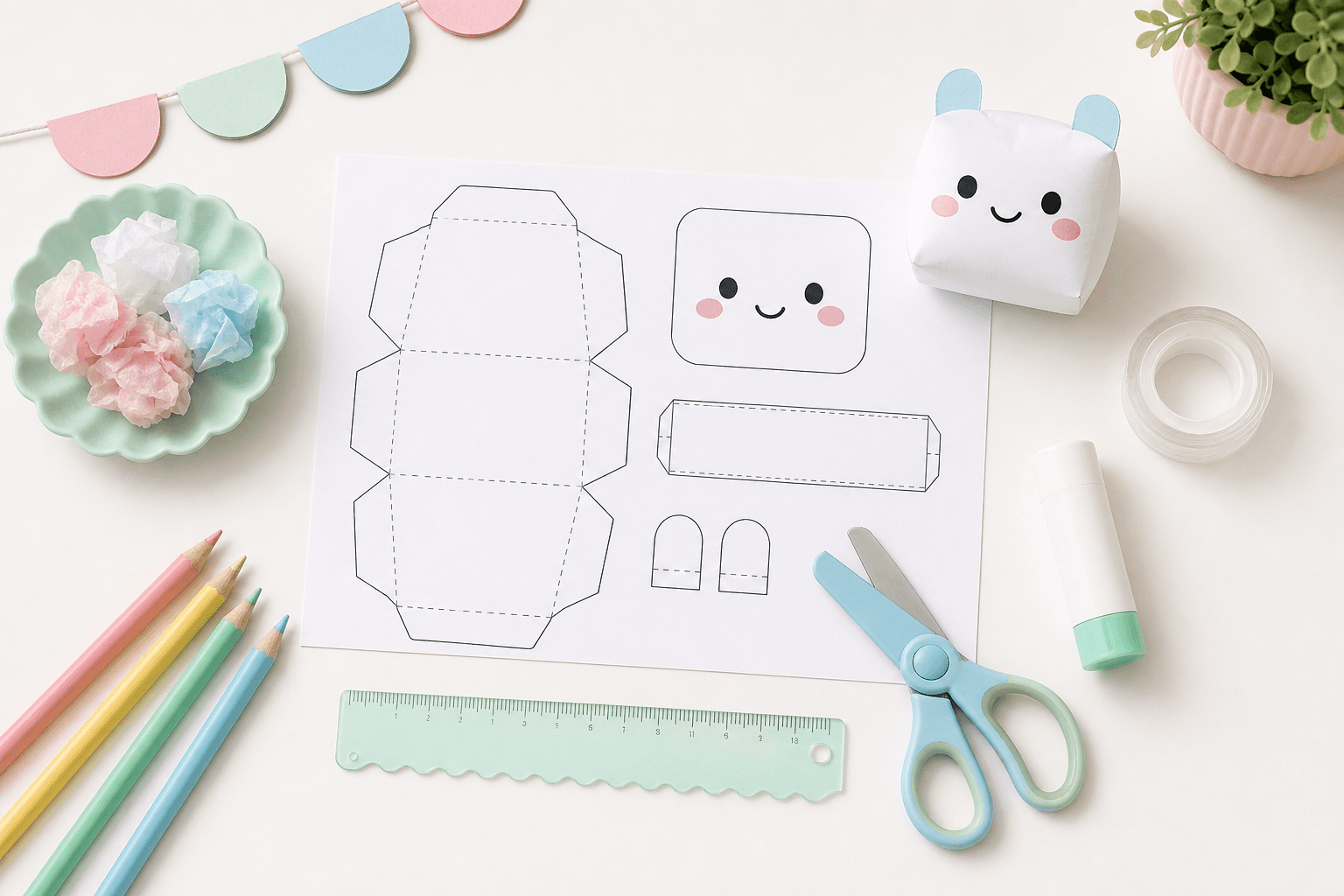
You can also match the tool to the kind of attention you want. A fidget supports a short repetitive movement. A printable paper squishy adds a making ritual: choose the design, follow the steps, and finish a small object. That creative sequence can be useful when the goal is a screen-free pause rather than instant tactile input.
- Quiet setting: smooth, small, and low-noise.
- Strong hand input: choose a resistance you can use without pain.
- Texture-sensitive maker: avoid surprises and check the surface first.
- Screen-free break: choose a short craft with a visible finish line.
A five-minute reset that does not overpromise
Set a timer for five minutes and choose one small action: squeeze slowly, roll a smooth object between your palms, or cut and fold one paper piece. Keep your shoulders loose and notice whether the action makes the moment easier or more irritating. The point is not to force calm; it is to collect honest information about what your hands and attention prefer.
After the timer, decide whether to continue, switch tools, or stop. If the object increases distraction, pain, frustration, or sensory overload, it is the wrong tool for that moment. A useful routine is repeatable and easy to put away, not a product you have to keep using because a listing promised a result.
A practical way to start
- 1
Name the setting
Pick the real moment: desk, commute, classroom, bedtime routine, or home break.
- 2
Choose one sensation
Start with squeeze, texture, movement, or a quiet making task instead of combining everything.
- 3
Test for five minutes
Notice focus, comfort, noise, and cleanup rather than looking for a miracle effect.
- 4
Keep or change
Use the tool only if it helps the moment; switch strategies when it adds friction.
Useful source notes
These links support the product-safety or brand-specific details above. Product availability and rules can change, so use the source’s current instructions when making a purchase or using a kit.
- CPSC toy safety guidance
Age and ability matching still matters for sensory or stress-labeled toys.
- CPSC guidance for sensory products
Sensory marketing does not remove small-part or magnet risks.
Common questions
Do toys really reduce stress?
A hands-on object may help some people with a short moment of tension, restlessness, or focus, but the effect varies. It is best treated as one small routine, not a cure or replacement for professional support.
What is the quietest stress toy?
A smooth squeeze ball, soft fabric object, or small paper craft is usually quieter than a clicker or hard plastic fidget. Test the actual sound in the place where you plan to use it.
Is a paper squishy a sensory toy?
It is a paper craft, not a tested sensory or therapeutic product. The value is the visual design and the making process, with a light filling that creates a gently puffy object.