Paper squishy ideas
Best Paper for Paper Squishy Crafts: A Practical Guide
Learn which paper works best for paper squishy templates, from copy paper to cardstock, plus printing, tape, filling, and classroom setup tips.
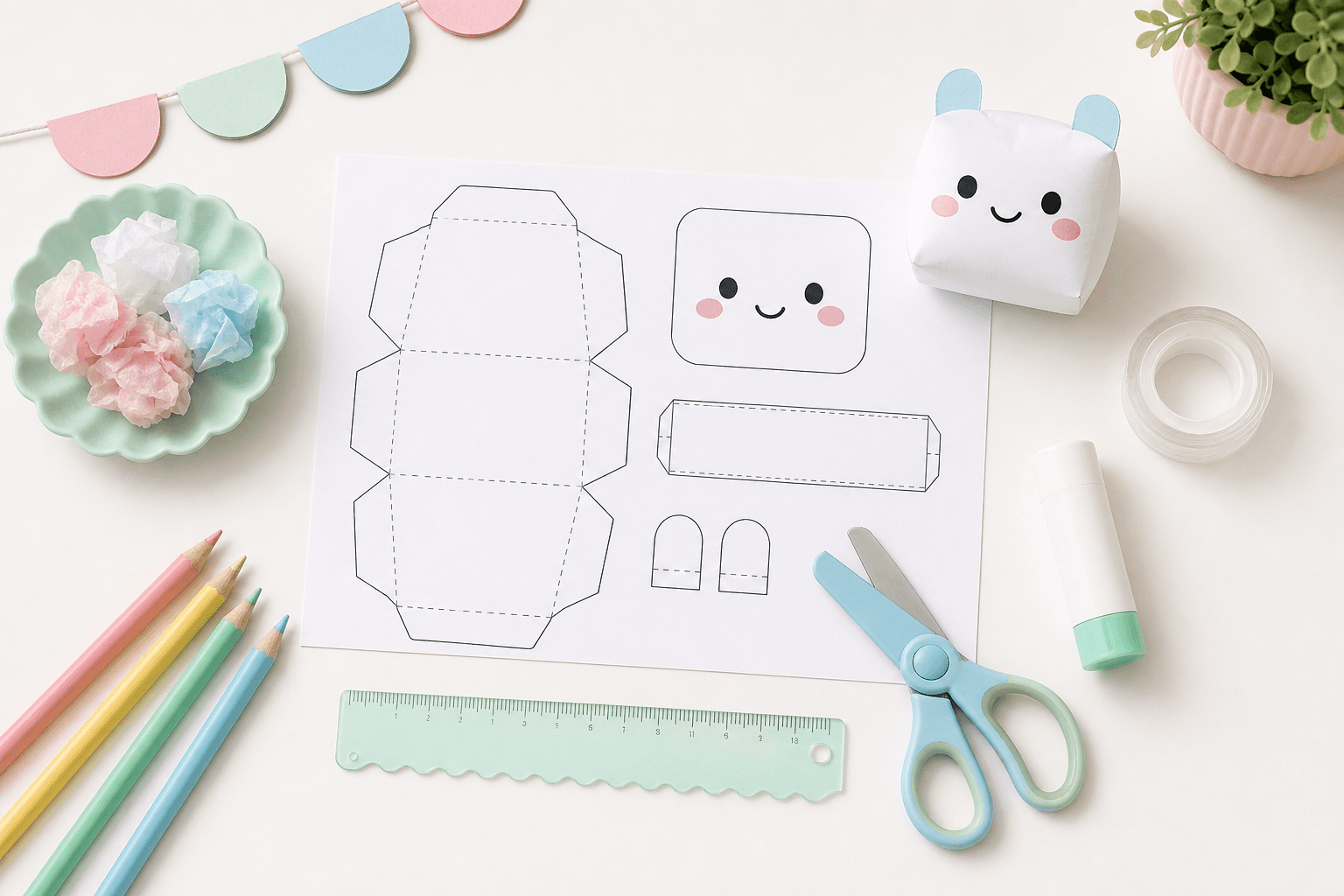
Best overall paper choice
For most paper squishy crafts, start with regular printer paper or a light matte paper. It bends easily, tapes cleanly, and lets the finished shape puff up without fighting the folds. This is the safest first test because you can learn the geometry before using nicer paper.
Light cardstock can make the print look polished, but it is less forgiving. Thick paper resists curves, creates sharper corners, and can pop open if the template has small tabs. Use it after you already know the pattern works for your printer and your hands.
- Best beginner choice: ordinary printer paper.
- Best polished look: light matte paper or thin cardstock.
- Avoid very glossy or very thick paper for first attempts.
Printer settings that matter
Print at 100% scale whenever the template depends on tabs, fold marks, or matching front and back pieces. A small fit-to-page change can shift the size just enough to make the paper squishy harder to seal. If your printer adds margins, do one draft print before preparing a group activity.
Color quality matters less than clean outlines. A cute paper squishy still works when printed on normal quality, but the cut lines and fold guides need to stay readable. If ink smears, let the page dry before taping over the art.
Tape and filling choices
Clear tape gives a shiny surface and protects the printed art. Matte tape is easier to draw on and can look softer in photos. For younger makers, pre-cut tape strips reduce frustration because they can focus on aligning the edges instead of fighting the roll.
For filling, tissue is the easiest everyday choice. Cotton makes a softer puff, but it can bunch up in corners. Soft scrap paper works when you want a firmer shape. Use less than you think at first; overstuffing is the main reason paper squishies split open.
- Tissue: light, cheap, and easy to adjust.
- Cotton: soft, but better for rounded shapes.
- Soft scrap paper: firmer and useful for boxy templates.
Paper choices by template shape
Rounded templates such as dumplings, cookies, and watermelon slices usually work well on ordinary paper because the edges need to curve. Boxy templates such as butter blocks, milk cartons, and ice cubes can handle slightly firmer paper if the fold lines are scored first.
If you are preparing a classroom craft, keep the paper simple. A reliable plain paper print is better than a beautiful heavy print that is hard to fold. Once the group has made one easy paper squishy, you can introduce heavier paper or decorative details.
Common questions
Can I use cardstock for a paper squishy?
Yes, but choose thin cardstock and test the template first. Thick cardstock can make curves and small tabs harder to seal.
Should I laminate a paper squishy template?
Laminating is usually too stiff for a puffy paper squishy. Clear tape over the surface is more flexible and easier to repair.
What paper should teachers use for a group craft?
Regular printer paper is the easiest group choice. It is affordable, folds easily, and lets students make another copy if they need practice.